
How Fast Does Mold Grow After a Water Leak in Arizona? The 24–48 Hour Window
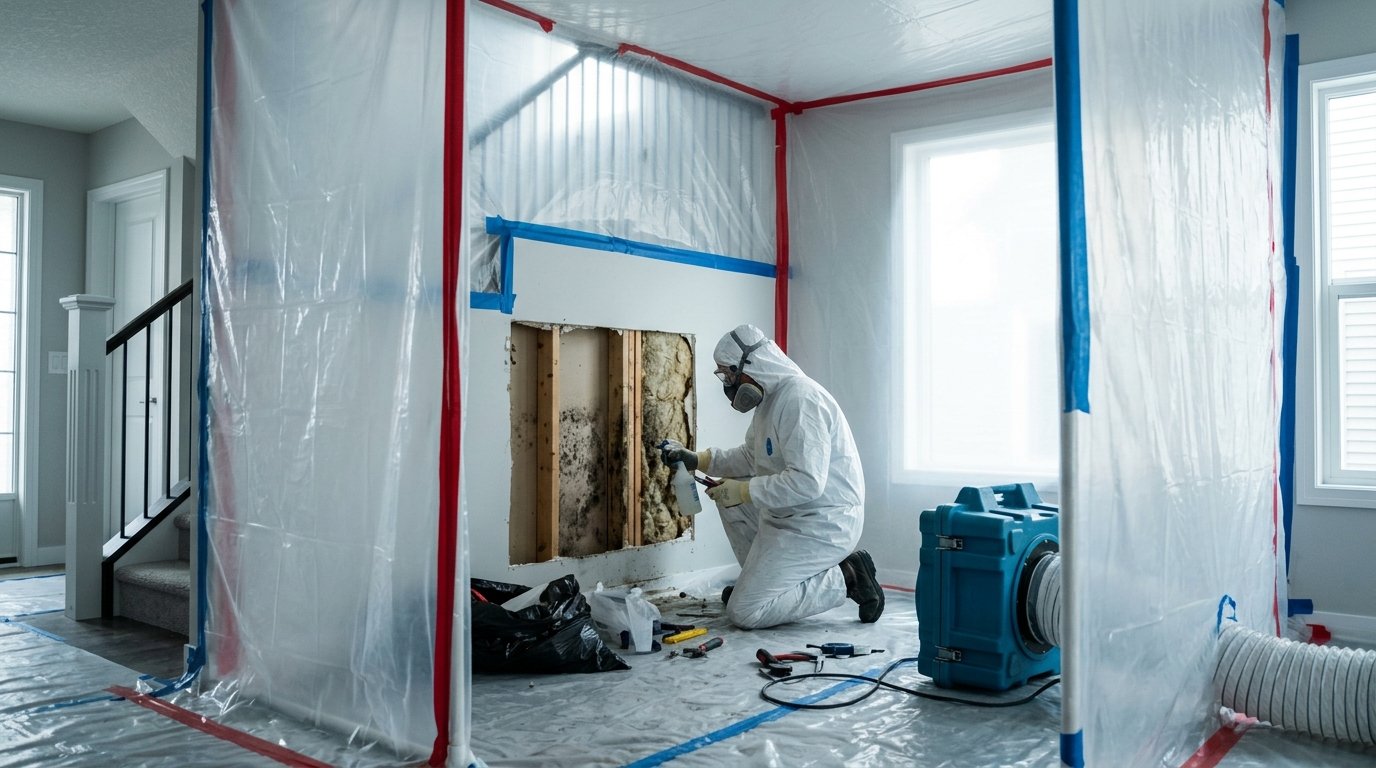
One of the most persistent misconceptions among homeowners in San Tan Valley is: "We live in the Sonoran Desert where it's 105°F and dry, so mold can't grow here." In reality, the exact opposite occurs inside modern homes. While the outdoor desert air is arid, your indoor environment is heavily conditioned, sealed tight for energy efficiency, and kept between 70°F and 76°F. When water leaks inside a wall cavity or under carpet, you have created a micro-greenhouse where microbial colonies explode within 24 to 48 hours.
🧪 The 48-Hour Biological Threshold
According to the EPA and industry mold remediation Standard for Professional Mold Remediation, dormant mold spores begin germinating within 24 hours of water exposure. By 48 hours, visible hyphae and mycotoxin-producing colonies actively consume the paper backing of drywall, wooden studs, and carpet tack strips.
The Hour-by-Hour Timeline of a Water Leak in Arizona
Hours 0 to 24: Spore Activation
Microscopic mold spores are naturally present in every home at harmless ambient background levels. The moment moisture levels in building materials exceed 16% to 20%, spores absorb water, swell, and germinate. At this stage, damage is reversible if industrial structural drying begins immediately.
Hours 24 to 48: Colony Expansion & Rooting
Spores form thread-like structures called hyphae, which secrete digestive enzymes directly into porous organic cellulose (drywall paper, baseboard MDF, wood framing). Fungi begin producing musty microbial volatile organic compounds (mVOCs)—the signature "damp basement" odor.
Hours 48 to 72: Sporulation & Structural Penetration
Colonies mature and start releasing millions of airborne spores into wall cavities. Species like Aspergillus, Penicillium, and Stachybotrys chartarum (black mold) begin forming dense dark clusters. Drywall becomes soft and crumbly, requiring surgical removal under containment.
Beyond 72 Hours: HVAC Cross-Contamination
As central air conditioners cycle air throughout the home, spores trapped in wall voids get pulled into return ducts, spreading allergenic contamination into bedrooms, nurseries, and common areas.
Why Air-Conditioned Desert Homes Accelerate Mold Growth
In San Tan Valley homes, high-capacity AC systems run 16+ hours a day. Here is why leaks turn hazardous so fast:
- Thermal Condensation: Cold AC air blowing against warm exterior wall cavities creates a temperature gradient, causing moisture from small plumbing leaks to condense rapidly.
- Trapped Air Behind Paint & Vinyl: Low-VOC latex paints act as vapor barriers, trapping moisture inside the drywall gypsum core where box fans cannot reach it.
- Prevalent MDF Trim: Most modern tract homes use Medium Density Fiberboard (MDF) for baseboards and door jambs. MDF acts like a sponge, absorbing water and feeding mold exponentially faster than solid wood.
💡 Why Bleach Does NOT Kill Mold on Drywall
Spraying household chlorine bleach on drywall or wood only kills surface discoloration while the water in the bleach soaks deeper into the porous substrate, feeding the fungal root system. Professional remediation requires EPA-registered biocides, HEPA air scrubbing, and physical removal of colonized cellulose.
Health Symptoms That Signal Hidden Indoor Mold
If a leak occurred behind a washing machine, shower pan, or kitchen refrigerator lines, you might not see the mold directly. Watch for these common bodily reactions:
- Unexplained sneezing, sinus pressure, or persistent coughing indoors
- Red, watery, or itchy eyes that improve when leaving the house
- Frequent morning headaches or throat tickles
- Worsening asthma attacks, particularly in young children and seniors
The Difference Between Drying and True Remediation
If water extraction begins within 24 hours, we can frequently dry building structures in place without cutting drywall. But if water sat unnoticed for 48 hours or more, strict containment is recommended. Experienced technicians build zippered poly-sheeting barriers, establish negative pressure with commercial HEPA scrubbers, and bag contaminated drywall so your family never breathes airborne spores.