
Can Wet Carpet and Padding Be Saved After a Flood? What Homeowners Need to Know
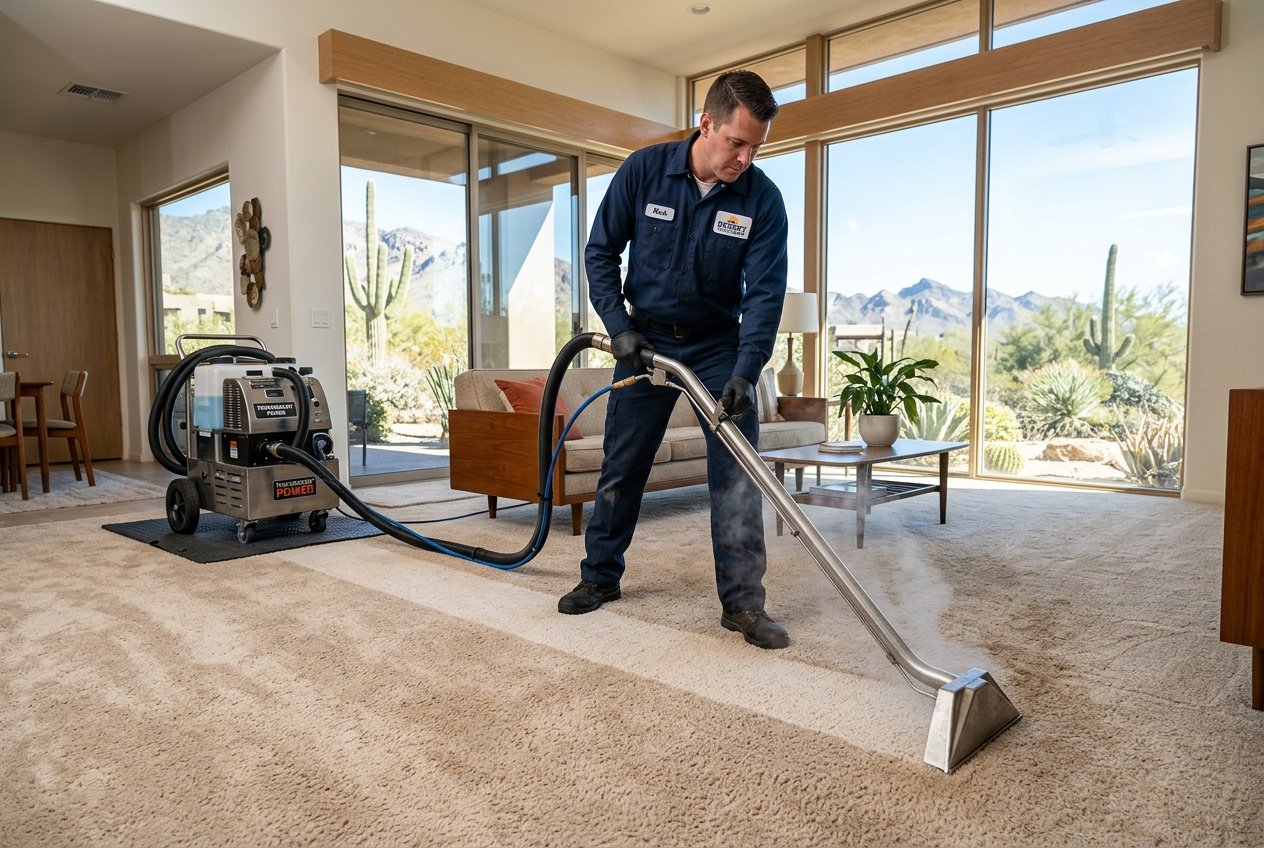
When an overflowing bathtub, supply line break, or water heater rupture floods your bedroom or living room carpet, you face a stressful dilemma: Can this wet carpet be saved, or does the entire floor need to be ripped out down to the concrete slab? According to the industry structural drying Standard for Professional Water Damage Restoration, the answer depends entirely on two factors: the source of the water and how quickly drying begins.
⚠️ The Sponge Effect of Carpet Padding
Even when carpet feels merely damp on top, the bonded urethane foam pad beneath acts like an impenetrable sponge. It holds gallons of water trapped directly against your concrete foundation. Household fans blowing across the top of the carpet will NEVER dry the padding or slab before toxic mold germinates underneath.
The industry standard 3-Category Water Rule for Carpeting
Category 1: Clean Water (Can Usually Be Saved)
Sources: Broken freshwater supply lines, sink faucet overflows, leaking refrigerator lines.
The Rule: If professional extraction and dehumidification begin within 24 to 48 hours, both the carpet AND the carpet pad can frequently be fully restored without replacement. After 48 hours, standing clean water degrades into Category 2.
Category 2: Gray Water (Pad Must Be Replaced)
Sources: Washing machine drain overflows, dishwasher discharge, toilet bowl overflow with urine (no solids).
The Rule: The carpet pad MUST be removed and discarded because it cannot be adequately disinfected. However, the carpet itself can often be sanitized with EPA antimicrobials, washed, dried in place, and re-stretched over brand new padding.
Category 3: Black Water (Complete Replacement Required)
Sources: Sewage backups, outdoor monsoon storm runoff entering from ground level, river/wash flooding.
The Rule: BOTH the carpet and pad MUST be immediately removed, bagged, and disposed of. Porous fibers retain bacteria, pathogens, and fine desert silt that cannot be sanitized to safe indoor standards.
How Experienced Technicians Save Wet Carpets (The Professional Process)
If your water loss is Category 1 and caught early, here is the scientific restoration workflow our San Tan Valley crews execute:
- Weighted Rover Extraction: We use self-propelled heavy-weight extractors (the "Rover") that compress the carpet pile and padding with 200+ pounds of downforce, pulling up to 90% of trapped liquid out before air drying begins.
- Floating the Carpet: Technicians release carpet edges from tack strips and place high-pressure centrifugal air movers directly underneath the carpet membrane, creating an air cushion that dries both the backing and concrete slab simultaneously.
- Commercial Dehumidification: Low-grain refrigerant (LGR) dehumidifiers lower room relative humidity below 30%, pulling water vapor out of the building envelope.
- Re-Stretching & Deep Steam Cleaning: Once moisture readings match dry standards, we re-install tack strips, power-stretch the carpet to eliminate ripples, and perform a deep antimicrobial hot water rinse.
💡 Beware of Delamination
Carpets are constructed of two backings glued together with latex adhesive. If carpet remains soaking wet for more than 72 hours, the latex dissolves—a condition called delamination. Once delaminated, the carpet loses its structure and will bubble permanently, requiring total replacement.
Concrete Slab Moisture Trapping in San Tan Valley
In San Tan Valley, homes are built on concrete slabs. Concrete is porous. When water sits on a slab under wet carpet, moisture is drawn deep into the capillary pores of the concrete. If you merely pull out the wet carpet and immediately install new luxury vinyl plank (LVP) or carpet without professionally drying the slab, residual moisture will push upward, destroying the adhesive and growing mold beneath your new floor.