
AC Drain Line Clogged & Ceiling Leaking: How to Stop Attic Water Damage in Arizona Summers
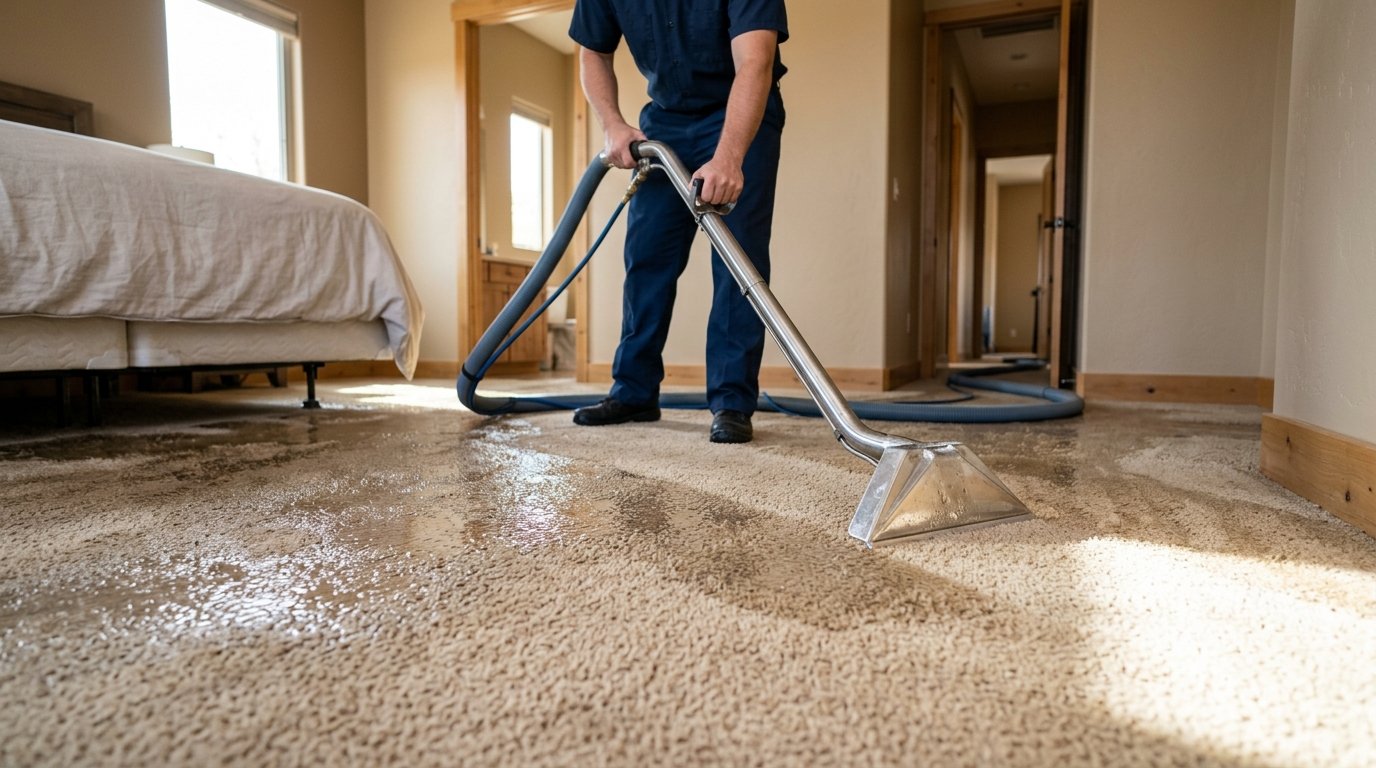
During scorching San Tan Valley summers where outdoor temperatures routinely breach 115°F, residential central air conditioners run almost continuously. As the evaporator coil pulls moisture out of your home's air, it generates between 5 and 20 gallons of water every single day. In most San Tan Valley split-level and two-story homes, the air handler unit (AHU) is located in the attic—directly above your ceiling drywall. When the primary condensate drain clogs, all that water has only one place to go: straight down into your ceiling.
🚨 Imminent Ceiling Collapse Hazard
Wet drywall quickly absorbs five times its weight in water, while saturated blown-in cellulose or fiberglass attic insulation adds hundreds of pounds of dead weight. If you see a sagging "pillow" or bowing bubble on your ceiling, DO NOT stand beneath it. It can collapse violently without warning.
Why AC Drain Lines Clog in Desert Climates
Homeowners are often surprised that an air conditioner drain can plug up so quickly in a desert. Here are the three main causes:
- Algae and Bacterial Slime: The warm, dark interior of a 3/4-inch PVC condensate pipe in a 130°F attic provides an ideal incubator for zoogleal slime and algae blooms.
- Desert Dust Infiltration: Monsoons and haboobs push fine desert silt into attic spaces. The dust mixes with condensation, forming a thick mud paste inside the drain trap.
- Cracked or Rusted Secondary Drain Pans: If the primary drain clogs, water spills into the Restoration backup pan. In older systems, plastic pans crack from intense attic heat, or galvanized steel pans rust through.
What to Do Immediately If Water Is Dripping from Your Ceiling
Shut Off the Air Conditioning System Immediately
Go to your thermostat and switch the system from "COOL" to "OFF". As long as the AC runs, the indoor coil continues condensing water that overflows the attic pan.
Relieve Water Pressure with a Controlled Pinhole
Place a large plastic bucket or bin directly under the sagging ceiling bulge. Take a screwdriver or nail and carefully poke a small hole in the very center of the lowest point of the sag. This allows trapped water to drain safely into the bucket instead of suddenly tearing open the entire 8x4-foot drywall sheet.
Clear Furniture and Electronics from Below
Move dining tables, sofas, rugs, and electronic entertainment centers away from the splash zone. Lay down plastic tarps to protect flooring underneath.
Call for Restoration Structural Attic Extraction & Drying
Our San Tan Valley technicians climb into the attic space to vacuum out the standing water, clear wet insulation, treat framing with antimicrobials, and set up cavity drying fans.
The Hidden Dangers Above the Ceiling: Wet Attic Insulation
Even if the ceiling stops dripping after you drain the water, the crisis is not over. Blown-in fiberglass or cellulose insulation in the attic remains saturated like a wet sponge resting directly against the upper side of the ceiling drywall and wooden ceiling joists. If this insulation is not vacuumed out and dried within 24 to 48 hours, mold colonies will spread across the entire attic floor, degrading indoor air quality.
💡 Look for the Outside Secondary Drain Pipe
Every home in San Tan Valley has an Restoration secondary drain pipe—usually a small white PVC pipe protruding from the exterior wall above a conspicuous window or front patio soffit. If you ever see water dripping or pouring from this high exterior pipe, your primary AC drain is already completely blocked, and you are hours away from an attic flood.
How We Restore Ceiling and Attic Water Damage
- Attic Insulation Removal: Saturated, microbial-contaminated insulation is safely bagged and vacuumed out to expose structural joists.
- Surgical Drywall Cuts: Damaged drywall sections are cleanly cut back to the nearest joist to eliminate mold growth.
- Antimicrobial Treatment: Wood framing and joists are fogged with botanical EPA-registered mold inhibitors.
- Structural Dehumidification: High-powered LGR dehumidifiers pull framing moisture down to dry standard before sheetrock rebuild.